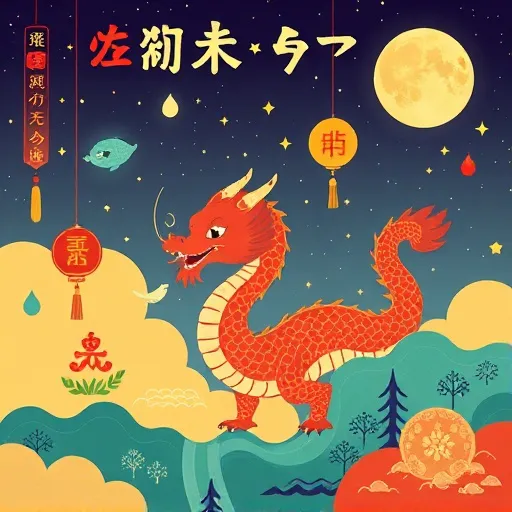
Chinese dream symbol
Why Chinese Dream Symbols Are Different From What You Might Expect
First off, how to interpret Chinese dream symbols isn't as simple as typing "dragon dream" into a search bar and getting a neat one-liner back. The whole dream symbolism system works more like a layered language of dreams — a single image like a dragon or a river can completely change meaning depending on the dream context, your emotional state in the dream, and even the season it shows up in. That nuance is what makes traditional Chinese dream interpretation so rich, but it's also exactly what trips up beginners who expect a quick answer. When you dig into how to interpret Chinese dream symbols, the first thing you learn is patience.
The roots of Chinese dream analysis stretch back through classical texts and folk traditions spanning multiple dynasties. The underlying philosophy usually ties dreams to balance — the interplay between opposing forces, harmony in body and mind, and the flow of energy. So when you set out to understand how to interpret Chinese dream symbols, you're really reading a snapshot of your internal equilibrium rather than just decoding a single symbol. Think of the whole thing as a wellness check written in metaphor. That's the mindset shift that makes how to interpret Chinese dream symbols click for most people.
Core Categories of Chinese Dream Symbols: Animals, Elements, Objects, and Archetypes
Before diving into specifics, it helps to sort dream imagery into broad families. Most interpretation frameworks group Chinese dream symbols into a handful of categories, and knowing these makes how to interpret Chinese dream symbols way more manageable:
- Animals and mythical creatures: Dragons, phoenixes, tigers, cranes, fish, and snakes each carry distinct symbolism and fortune associations.
- Natural elements: Water, fire, mountains, wind, and earth are foundational symbols tied to fortune and emotional states.
- Objects and tools: Mirrors, bridges, doors, coins, and boats often represent transitions, self-reflection, or opportunity.
- Actions and events: Falling, flying, climbing, weddings, funerals, and teeth falling out are classic motifs in dream interpretation.
- People and relationships: Ancestors, strangers, children, and authority figures show up frequently with layered meanings.
Once these categories click, you can start building your own interpretation vocabulary — which is way more reliable than leaning on a generic dream dictionary. Honestly, that personal vocabulary is the real secret behind how to interpret Chinese dream symbols with any consistency.
How to Interpret Chinese Dream Symbols Step by Step: Recording, Context, and Reflection
Step 1: Record the dream immediately. Keep a notebook or notes app by your bed and jot down everything the moment you wake up. Dream recall fades fast. The color of a dream object, the weather, whether you felt fear or calm — these context clues are gold when you sit down to reflect later. This habit alone transforms how to interpret Chinese dream symbols from guesswork into real practice.
Step 2: Identify the dominant symbol. Most dreams have one central image that anchors everything else — maybe a tiger chasing you, or a mirror that won't reflect your face. In Chinese dream symbolism, that anchor image usually reflects your most pressing current life theme. Finding it is a core skill for how to interpret Chinese dream symbols accurately.
Step 3: Weigh the context and your emotions. This is where lots of folks go wrong — they look up "snake" and grab one fixed meaning. But in Chinese dream interpretation, a snake can symbolize wisdom, hidden danger, transformation, or even romantic energy, all depending on how you felt. A calm snake gliding through water means something very different from a snake striking at you. Pairing the symbol with your emotional response is non-negotiable for how to interpret Chinese dream symbols.
Step 4: Cross-reference with waking life. Dreams don't exist in a vacuum. Ask what's happening in your career, relationships, health, or creative projects right now. A dream about climbing a mountain might point to a professional challenge, while a flooded house could reflect emotional overwhelm. Connecting the symbol to a real situation is what makes how to interpret Chinese dream symbols personal and actionable.
Step 5: Watch for recurring patterns. Track your dreams over weeks and months. Recurring symbols — a specific animal, a repeated setting, a repeated action — are often the most meaningful. Chinese dream analysis places real weight on repetition, viewing it as a signal that something in your inner world wants attention.
Common Chinese Dream Symbols Explained: Dragons, Water, Teeth, and Flying
Let's get practical. Here are the most frequently reported symbols and their typical interpretation. Remember: these are starting points, not fixed rules for how to interpret Chinese dream symbols.
Dragons: The dragon is the most iconic Chinese dream symbol out there. Dreaming of a dragon is generally considered highly auspicious — associated with power, good fortune, and personal transformation. A friendly dragon suggests rising confidence or an upcoming opportunity; a threatening one might reflect pressure or a challenge you're avoiding.
Water: Water often represents emotion, wealth, and the flow of life. Clear, calm water suggests peace and smooth progress. Murky or turbulent water can point to confusion, emotional turmoil, or financial stress. Water rising is a classic motif — it often hints at feelings building up.
Teeth falling out: This motif shows up across many cultures. In Chinese dream traditions, losing teeth frequently links to anxiety about aging, loss of control, or concern for family wellbeing. It's rarely a literal omen — think of it as a stress signal from your subconscious.
Flying: Flying dreams are uplifting in every sense. In Chinese interpretation, flying symbolizes ambition, freedom, and rising above obstacles. Easy flying is a good sign for momentum in your goals; struggling to stay airborne might reflect self-doubt or feeling unsupported.
Mirrors, Bridges, and Doors: Transition Symbols in Chinese Dream Interpretation
Mirrors tie deeply to self-reflection and identity. A clear mirror suggests self-awareness and honesty; a broken or foggy one might signal confusion about who you are or how others see you. Traditional symbolism also held that mirrors ward off negative energy, so a mirror dream can carry a protective undertone too.
Bridges and doors both fall into the transitions category. Crossing a bridge often represents moving from one phase of life to another. A locked door might reflect blocked opportunity, while an open one suggests readiness for change. Pay attention to what's on the other side — that's where the real message hides. Learning to read these transition symbols is a big part of how to interpret Chinese dream symbols in everyday life.
Building a Dream Journal for Chinese Dream Analysis and Reflection
The most effective way to master how to interpret Chinese dream symbols is treating it as an ongoing practice. Build a dream journal with a consistent format: date, dominant symbol, emotional tone, life context, and your interpretation. Over time you'll notice patterns no generic dream dictionary could ever give you. Many wellness coaches and cultural researchers emphasize that the value of interpretation lies in reflection, not prediction. A dream symbol isn't a fortune cookie — it's a mirror held up to your inner state. Some practitioners even blend traditional symbolism with modern reflective journaling techniques, and the results can be surprisingly insightful. One more tip: don't force meaning. If a symbol doesn't resonate after honest reflection, it's fine to leave it — sometimes the interpretation clicks days later when a real-life event connects back to the imagery.
Common Mistakes to Avoid When Learning How to Interpret Chinese Dream Symbols
- Relying on one-size-fits-all dream dictionaries: Symbols are context-dependent. Always factor in emotion and life situation.
- Ignoring recurring dreams: Repetition is one of the strongest signals in Chinese dream analysis.
- Treating dreams as literal predictions: Interpretation is about insight, not fortune-telling.
- Overlooking small details: Colors, weather, and background elements often carry key information.
- Skipping the dream journal: Dream recall fades fast. Write it down first, analyze later.
At the end of the day, mastering how to interpret Chinese dream symbols is less about memorizing a list and more about building a reflective habit — one that blends cultural wisdom with personal insight, symbolism with real-life context, and patience with curiosity. So grab that notebook, pay attention to your dreams tonight, and keep practicing how to interpret Chinese dream symbols — one symbol at a time.