Bazi chart basics ex
First Things First: What Exactly Is a Bazi Chart?
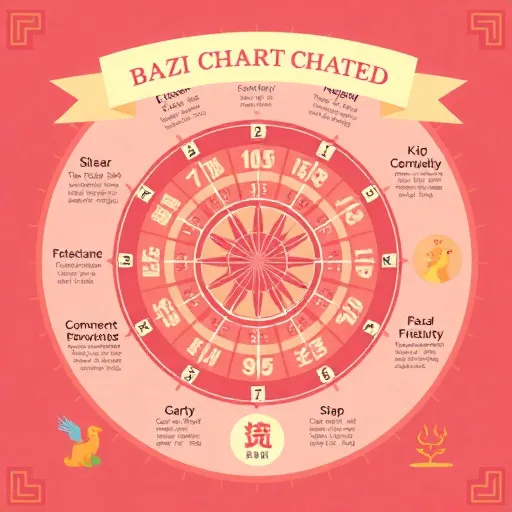
Let's kick things off with the fundamentals. If you've been wondering what is a bazi chart used for, you first need to know what it actually is. A bazi chart—often called the Four Pillars of Destiny—is a personalized map built from your exact birth date and birth time. The word "bazi" literally means "eight characters," which refers to the eight Chinese characters that make up the chart: four pairs, each one representing the year, month, day, and hour of birth. Every pair is made up of a heavenly stem and an earthly branch, and together these form a pretty intricate symbolic system.
Here's a fun way to think about it: imagine a personality blueprint crossed with a timing calendar. Instead of just telling you your zodiac sign (which only covers your birth year), a bazi chart layers in the month, day, and hour of your birth to create something way more granular. A practitioner then analyzes how the five elements—wood, fire, earth, metal, and water—interact within the chart to pull out insights about a person's tendencies, strengths, and life cycles. That's the foundation of what is a bazi chart used for at its core.
If you've ever played around with a personality framework or a self-assessment tool, a bazi chart is basically the traditional counterpart. It's not about locking in a fixed future—it's more like a weather map for your life, showing tendencies, favorable seasons, and spots where you might want to prepare or switch things up.
Understanding the Five Elements, Heavenly Stems, and Earthly Branches in Your Bazi Chart
Before we dig into what is a bazi chart used for in real life, it helps to get cozy with the building blocks. The heavenly stems and earthly branches aren't random symbols—each one carries its own elemental flavor and yin-yang charge. When you stack four pillars together, you get a pretty detailed picture of which elements dominate, which are weak, and which are completely missing. Practitioners believe this element balance shapes your core tendencies, and honestly, that's the whole reason what is a bazi chart used for keeps coming up in conversations about self-discovery and personal growth.
In 2026, tons of people use bazi analysis as a complement to modern personality assessments. It's not about replacing psychology or career coaching—it's about adding another lens. A skilled practitioner might look at your chart and point out patterns you've felt but never put into words, like why you feel drained in certain social situations or why you keep gravitating toward creative work.
So, What Is a Bazi Chart Used For? The Core Applications
Alright, this is the heart of the matter. People consult bazi charts for a surprisingly wide range of reasons, and understanding what is a bazi chart used for really comes down to seeing how versatile this tool is. Let's walk through the most common ones.
Discovering Your Personality Type, Inherent Strengths, and Element Balance
One of the most popular answers to what is a bazi chart used for is self-discovery. Because the chart is so detailed—right down to the hour of birth—practitioners believe it reveals subtle personality traits that broader systems totally miss. Are you naturally more analytical or intuitive? Do you thrive in structured environments or prefer flexibility? Which elements dominate your chart, and what does that say about how you handle challenges? These are exactly the kinds of questions what is a bazi chart used for is designed to answer.
Career Planning, Life Path Guidance, and Professional Affinities
Wondering whether to switch careers? A bazi chart can be used to explore your natural affinities. Practitioners examine which elements are strong or weak in your chart and connect them with industries, work styles, and roles. For example, a chart with strong metal might suggest an affinity for precision-oriented fields, while dominant wood could point toward growth-focused or creative endeavors. That's another big part of what is a bazi chart used for—career clarity. Of course, no chart should dictate your choices single-handedly, but as a reflective tool, bazi analysis can help you spot environments where you'll feel more aligned and energized—and flag potential mismatches before you commit to a big move.
Timing Major Decisions, Luck Cycles, and Strategic Life Planning
This is where things get really interesting. Beyond personality, the chart maps out luck cycles—periods of time (often spanning several years) influenced by specific elements. Practitioners believe these cycles can indicate favorable windows for major decisions: starting a business, moving to a new city, changing jobs, or even entering a relationship. So when people ask what is a bazi chart used for in a practical sense, timing analysis is a huge part of the answer. Think of it as a traditional form of timing analysis. Just like a financial advisor might suggest waiting for a better market window, a bazi practitioner might suggest waiting for a more supportive elemental period before launching a big project. Whether or not you buy into the underlying philosophy, the practice encourages thoughtful timing over impulsive decisions—which is rarely a bad thing.
Relationship Compatibility, Partnership Insights, and Elemental Harmony
Lots of people consult bazi charts when considering partnerships—romantic or professional. By comparing two charts, practitioners analyze how different elemental compositions interact. Some combinations are considered harmonious; others might need more conscious effort to balance. In 2026, this application has become especially popular among couples who want a structured framework for discussing their differences. Rather than viewing incompatibility as a dealbreaker, bazi analysis often frames it as something to understand and work with—a refreshingly constructive approach to relationship dynamics. That's yet another angle on what is a bazi chart used for that keeps people coming back.
Health Awareness, Lifestyle Adjustments, and Wellness Tendencies
Traditional bazi analysis also touches on health tendencies. Each element is associated with different organs and bodily systems in traditional frameworks, so a chart with an imbalance in one element might prompt a practitioner to suggest lifestyle adjustments—dietary changes, exercise routines, or stress-management practices. To be clear: bazi is not a medical system, and no responsible practitioner would use it to diagnose or treat illness. But as a general wellness lens, it can encourage people to pay attention to areas they might otherwise overlook—a softer but still meaningful answer to what is a bazi chart used for.
How a Bazi Chart Is Actually Analyzed: Day Master, Luck Cycles, and Element Interactions
Curious about the mechanics? Here's a simplified look at how practitioners approach a chart and how what is a bazi chart used for translates into actual analysis.
- Element balance: The first step is assessing which of the five elements are strong, weak, or missing in the chart. This balance is believed to shape core tendencies.
- Day master: The day pillar is considered the core of the chart, representing the self. Practitioners analyze how the day master interacts with the other pillars.
- Luck cycles: The chart is mapped against ten-year and annual cycles to identify periods of elemental influence. This is where timing insights come from—and where what is a bazi chart used for gets really practical.
- Interactions: Practitioners look at how the characters in the chart combine, clash, or support each other—revealing nuances that a simple element count would miss.
In 2026, many people use digital tools and apps to generate their charts instantly. These tools are helpful for getting a basic overview, but a nuanced reading still benefits from human interpretation—especially when it comes to contextualizing insights for your specific life situation.
Why Bazi Charts Remain Relevant in 2026: Traditional Wisdom Meets Modern Self-Awareness
You might be wondering: in an age of advanced analytics, AI-driven self-help apps, and endless personality quizzes, why does an ancient system like bazi still resonate? The answer is surprisingly straightforward—and it ties right back to what is a bazi chart used for in everyday life.
First, people crave frameworks that feel personal and holistic. A bazi chart doesn't just label you—it tells a story about how different parts of your life interact over time. That narrative quality is deeply satisfying. Second, the practice encourages reflection. Whether you're navigating a career crossroads, a relationship transition, or just feeling stuck, the process of examining your chart invites you to ask better questions about what you want and how you operate. Third, there's a growing interest in traditional wisdom systems as complements to modern life. Just as some people practice mindfulness or journaling, others turn to bazi analysis as a way to slow down and think more deliberately about their choices.
Common Misconceptions About What Is a Bazi Chart Used For: Fate, Belief, and Complexity
Myth 1: A Bazi Chart Predicts a Fixed Future and Removes Free Will
This is probably the biggest misconception about what is a bazi chart used for. A bazi chart is not a crystal ball. It's better understood as a map of tendencies and timing—not a script. Practitioners generally emphasize that free will, effort, and circumstances all play major roles.
Myth 2: Bazi Analysis Is Only for People Who Believe in Fate
Not at all. Many people use bazi analysis purely as a reflective tool, similar to how someone might use a personality framework or a strengths assessment. You don't need to accept every premise to find value in the process—or to appreciate what is a bazi chart used for as a self-reflection exercise.
Myth 3: The Four Pillars of Destiny Are Too Complicated to Be Useful
While advanced analysis is intricate, the core concepts are accessible. With a little curiosity, anyone can grasp the basics of element balance and luck cycles—and even a surface-level understanding can offer useful perspective on what is a bazi chart used for in your own life.