Life line location o
The Life Line Explained: Location, Shape, and Basics
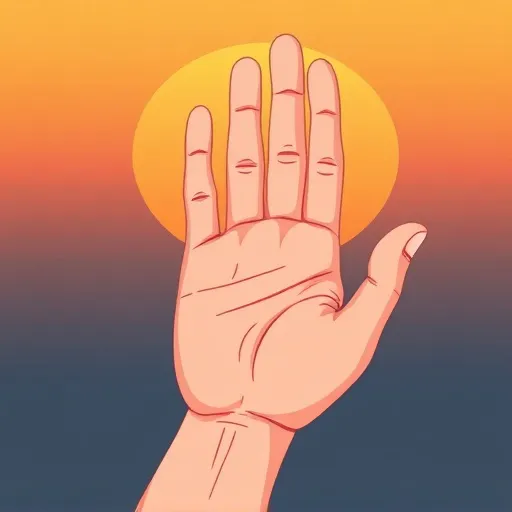
Before we get into the nitty-gritty of palmistry and hand analysis, let's make sure everyone's on the same page about what the life line actually is. You'll find it as that curved crease starting between your thumb and index finger, sweeping down in an arc toward your wrist and cradling the base of your thumb. In chiromancy—the fancy old-school term for palm reading—this major line gets read alongside the head line, heart line, and fate line to paint a fuller picture of your tendencies and temperament. So when someone asks what does a long life line on palm mean, the answer starts with understanding where it sits and how it flows.
Here's the thing that makes the life line so interesting: it's not actually about lifespan at all. Traditional palm readers and modern hand analysts alike tend to interpret it as a map of your physical energy, your emotional resilience, and how you navigate change. Think of it as a vitality indicator rather than a countdown clock. That reframe matters a lot when you're trying to figure out what does a long life line on palm mean—because the length says way more about energy than it does about years.
Quick Reference: Life Line Location, Palm Reading Path, and Vitality Basics
- Starting point: Between the thumb and index finger
- Path: Curves around the thumb base toward the wrist
- Core meanings: Vitality, stamina, life energy, major transitions
- Common misconception: Length equals lifespan (spoiler: it doesn't)
What Does a Long Life Line on Palm Mean in Palmistry and Hand Analysis?
Now to the heart of the matter. When palmistry enthusiasts talk about a long life line, they're usually describing a line that extends well down toward the wrist, often reaching close to the base of the palm. Here's what a long life line on palm is generally associated with in both traditional and modern interpretations—and this is where the fun really begins.
1. Strong Vitality, Physical Stamina, and Life Energy Reserves
A long, unbroken life line is often read as a sign of robust life force. People with this feature are said to recover quickly from illness, bounce back from setbacks, and generally have the energy to sustain long-term projects. In 2026's wellness-obsessed culture, this interpretation resonates more than ever—plenty of people use palmistry as a fun mirror for their health habits. When you dig into what does a long life line on palm mean, stamina is almost always the first theme that pops up.
2. Resilience Through Life's Ups, Downs, and Transitions
Length here suggests endurance. A long life line on palm is frequently linked to emotional resilience—the ability to weather storms without falling apart. If you've ever wondered why some people seem unshakeable, palmistry would point to that sweeping curve as one possible clue. The life line basically tells a resilience story, and honestly, that's a much more useful reading than trying to predict your lifespan.
3. A Grounded, Steady Temperament and Dependable Personality
Hand analysts often associate a long life line with a personality that's rooted and dependable. These individuals tend to prefer stability over chaos, build lasting routines, and value security. That doesn't mean they're boring—it means they're the friend who shows up on time and remembers your birthday. So what does a long life line on palm mean for personality? Basically, it points to someone who's got their feet planted firmly on the ground.
4. Deep Family Ties, Roots, and Heritage Connections
Some interpretations link a long life line to strong ties with family, heritage, or a sense of place. It's the "deep roots" reading—someone who stays connected to where they came from. This angle on what does a long life line on palm mean adds a nice layer of warmth to the reading, especially for folks who value their ancestry and community.
5. A Note on Life Transitions, Breaks, and Branches
Interestingly, breaks, forks, or branches along a long life line are often read as markers of major life changes—relocations, career shifts, or significant relationships. A long line with these features tells a story of a full, eventful journey rather than a smooth, uneventful one. And that's really the beauty of palmistry: every detail adds nuance to what does a long life line on palm mean for you specifically.
The Big Myth: Long Life Line Does NOT Equal Long Lifespan or Guaranteed Health
Let's address the elephant in the room. Despite what your aunt might have told you at a family gathering, a long life line on palm is not a prophecy of longevity. Modern palmistry practitioners—and even many traditional ones—are quick to clarify this. Lifespan is influenced by genetics, lifestyle, healthcare access, and a thousand other factors that no crease on your hand can predict. Anyone who tells you otherwise is overselling what does a long life line on palm mean.
In fact, some of the longest-lived people have relatively short or faint life lines. And plenty of people with dramatic, long life lines have faced health challenges. The line is better understood as a symbol of how you live—your energy, attitude, and resilience—rather than how long you'll live. This is where a good NLP analysis of palmistry language becomes useful. Notice how palm readers phrase things: "indicates vitality" rather than "guarantees health." The language itself is probabilistic and symbolic, not deterministic. Keeping that framing in mind helps you enjoy palmistry as a reflective tool without treating it as medical advice.
Reading the Details: Variations of a Long Life Line and Palm Features
Not all long life lines are created equal. Here's how practitioners break down the variations—and each one shifts what does a long life line on palm mean in subtle ways.
- Deep and clear long life line: A long line that's deeply etched and easy to see is considered the strongest vitality signature in palmistry. It suggests abundant energy and a clear sense of direction.
- Faint or shallow long life line: Still long, but less pronounced. This is often read as energy that fluctuates—periods of intensity followed by rest. It's a reminder to manage your reserves.
- Chained or textured long life line: When the line looks like a chain of small links, it's traditionally associated with a busy, eventful life full of varied experiences—sometimes with health ups and downs along the way.
- Long life line with branches: Branches pointing upward are often read as ambition and outward growth; branches pointing downward can suggest introspection or periods of withdrawal. A long line with multiple branches tells a rich, multifaceted story.
- Long life line with breaks: Breaks aren't doom and gloom. They're typically interpreted as major transitions—a change of location, career, or life chapter. A long line that continues after a break suggests resilience through change.
How the Life Line Works With the Head Line, Heart Line, and Fate Line
Here's a crucial point that separates casual hand-reading from actual palmistry analysis: no single line exists in isolation. A long life line on palm should always be read in context with the other major lines and mounts. This is where the real depth of what does a long life line on palm mean comes through.
- Head line: A strong head line alongside a long life line suggests mental stamina to match physical vitality.
- Heart line: Emotional depth and relational patterns that shape how you spend your energy.
- Fate line: Career and life-path themes that interact with your vitality reserves.
- Mount of Venus: The fleshy area at the base of the thumb, associated with passion and energy—its fullness complements a long life line.
A skilled hand analyst—or even a curious beginner—will tell you that the interplay between lines matters far more than any single feature. A long life line on a hand with a weak head line, for example, reads very differently than the same line paired with a bold head line. So when you're exploring what does a long life line on palm mean, always zoom out and look at the whole hand.
What Hand Shape and Hand Type Say About Your Long Life Line
Your overall hand shape adds another layer. In palmistry traditions that categorize hands by element—earth, water, air, and fire—the meaning of a long life line shifts subtly.
- Earth hands: Square palms with shorter fingers. A long life line here reinforces the earth-type themes of practicality, endurance, and physical grounding.
- Water hands: Long palms with long fingers. A long life line on a water hand is often read as emotional resilience and deep intuitive stamina.
- Air hands: Square palms with long fingers. Here, a long life line may point to mental energy and sustained intellectual curiosity.
- Fire hands: Long palms with shorter fingers. A long life line suggests passionate drive and the energy to pursue bold goals over time.
This typology isn't scientific, but it's a useful framework for a palmistry reading—and it makes the practice far more interesting than a simple "long line equals long life" equation. It also gives you a richer answer when someone asks what does a long life line on palm mean for their specific hand type.
Common Questions About Long Life Lines and Palm Reading Interpretations
Can a long life line change over time? Yes! Palm lines can shift subtly over months and years as your skin changes and your hand's creases deepen or soften. Palm readers often note that lines reflect lifestyle and habit—another reason to treat palmistry as a mirror for self-reflection rather than a fixed fate.
Is a long life line on the left hand different from the right? Many traditions read the non-dominant hand as inherited potential and the dominant hand as lived reality. So a long life line on your dominant hand might reflect your current vitality, while the same line on the other hand speaks to your inherent constitution. That's a neat twist on what does a long life line on palm mean depending on which hand you're reading.
What if my life line is long but broken in several places? Interpretations vary, but most practitioners see breaks as transitions rather than tragedies. A long line with breaks tells a story of a life lived through change—often a rich, varied one.
Does a long life line mean anything about career or wealth? Not directly. The life line is about vitality and life energy, not fortune. For career themes, palmistry looks to the fate line and the mounts. That said, abundant energy from a long life line can support sustained effort—which certainly doesn't hurt professional pursuits. So what does a long life line on palm mean for your career? Think of it as backup fuel, not a roadmap.
Practical Takeaways: How to Read Your Own Long Life Line and Palm Features
Ready to examine your own hand? Here's a simple approach to figuring out what does a long life line on palm mean for you:
- Find the line: Locate the curve wrapping around your thumb base.
- Check the length: Does it extend well down toward the wrist? That's your long life line.
- Note the depth: Is it deep, clear, faint, or chained?
- Look for breaks and branches: These add nuance to the interpretation.
- Compare both hands: Compare your dominant and non-dominant hands for potential versus lived experience.
- Read in context: Look at your head line, heart line, and fate line together for a fuller picture.
And remember: treat it as a reflective exercise, not a verdict. The most valuable readings are the ones that prompt you to think about your habits, your energy management, and your goals—that's the real answer to what does a long life line on palm mean in 2026's wellness landscape.