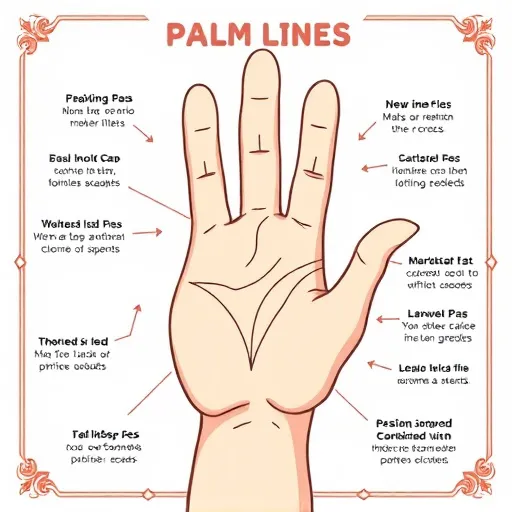
The ancient art of p
What Is Palmistry, and Why Does It Matter for Relationships?
Palmistry—you might also hear it called chiromancy—is basically the art of reading the lines, shapes, and mounts of your hand. People have been studying hands across tons of cultures for centuries, from ancient traditions in Asia to classical European schools of divination. It's not a science, and most folks who practice it will tell you that upfront. Instead, many treat it as a symbolic language that reflects personality traits, emotional tendencies, and life themes. And honestly? That's exactly why so many people are curious about how to read palm lines for marriage—it gives you a fresh way to look at your love life.
When it comes to love and romance, palmistry offers a genuinely fascinating lens. Here's the thing: the lines on your hand don't predict some fixed destiny—most modern practitioners agree on that point. Instead, they read them as indicators of your emotional style, how you approach commitment, and the kinds of relationship dynamics you tend to attract. Think of it as a personality map written right on your palm. If you've ever wondered how to read palm lines for marriage, this is the mindset to start with—curiosity over certainty.
What makes palm reading so popular in 2026 is how accessible it is. You don't need any tools or apps. Just your hands, good lighting, and a bit of curiosity. And because interest in holistic self-discovery keeps growing, more people than ever are learning how to read palm lines for marriage on their own—especially when it comes to marriage and long-term partnerships. No gatekeeping, no expensive sessions required.
Which Hand Should You Read for Marriage and Relationship Insights?
Before you start analyzing lines, you need to know which hand to look at. Here's the traditional rule most practitioners follow when teaching how to read palm lines for marriage:
- Your dominant hand (the one you write with) shows your present and future—what you're actively creating in your life.
- Your non-dominant hand shows your inherited traits and potential—what you were born with.
For marriage-related readings, many experts recommend comparing both hands. Check the dominant hand for your current relationship patterns, and the non-dominant hand for your underlying emotional blueprint. If the lines differ significantly between hands, it can suggest personal growth or changing attitudes toward love over time. This is a key trick for how to read palm lines for marriage accurately—never look at just one hand in isolation.
Also, pay attention to the overall texture of the hand. Soft, smooth hands are often associated with sensitivity and romance, while firmer, more textured hands may indicate practicality and groundedness in relationships. Neither is "better"—they simply describe different emotional styles. When you're figuring out how to read palm lines for marriage, texture is the context that makes everything else click.
The Marriage Line and Heart Line: Essential Palm Lines for Love and Commitment
While palmistry involves reading the entire hand, a few specific lines are especially relevant when it comes to marriage. Let's break them down one by one—this is the core of how to read palm lines for marriage.
1. The Marriage Line (Relationship Line) and Its Affection Meanings
This is the star of the show when it comes to reading for marriage. The marriage line—sometimes called the relationship line or affection line—sits on the edge of your palm, just below the base of your pinky finger, above the heart line. If you only learn one thing about how to read palm lines for marriage, make it this line.
Here's what to look for:
- Number of lines: Some people have one clear line; others have several. Multiple lines don't necessarily mean multiple marriages. Practitioners often interpret them as significant relationships or deep emotional connections throughout your life. A single, strong line is often read as a focused approach to commitment.
- Length: A longer, well-defined line is traditionally associated with a lasting, stable partnership. Short lines may indicate brief but meaningful relationships.
- Depth and clarity: A deep, clear line suggests strong emotional investment. Faint lines might point to hesitation or uncertainty about commitment.
- Direction: Lines that curve slightly upward are often seen as positive indicators of happiness in partnership. Downward-curving lines may suggest challenges or periods of emotional difficulty.
- Breaks or forks: A fork at the end of the marriage line is sometimes interpreted as a relationship that grows in different directions—or a partnership that evolves over time. Breaks can indicate transitions or separations.
One important note: the marriage line is just one piece of the puzzle. Reading it in isolation can be misleading. Always consider it alongside the heart line and the overall shape of the hand. That's the golden rule for how to read palm lines for marriage without jumping to conclusions.
2. The Heart Line: Emotional World and Love Expression
The heart line is the big horizontal line running across the upper portion of your palm, starting near the edge under your pinky and extending toward your index finger or middle finger. This line is all about your emotional world—how you give and receive love, how you process feelings, and what you value in relationships.
Key interpretations include:
- Starting point: If the heart line begins under the index finger, it's often read as an idealistic, romantic approach to love. Starting under the middle finger suggests a more practical, grounded emotional style.
- Curve: A gently curved heart line indicates emotional warmth and expressiveness. A straighter line may point to someone who keeps feelings more contained.
- Depth: A deep, well-etched heart line is traditionally a sign of strong emotional capacity and loyalty.
- Chains and islands: These small markings along the line are often interpreted as emotional ups and downs—periods of heartache or confusion in love.
When you're learning how to read palm lines for marriage, the heart line gives you the emotional context behind the marriage line. A strong marriage line paired with a clear heart line suggests a person who is both committed and emotionally expressive—a combo that matters a lot in real relationships.
3. The Fate Line (Career Line) and Its Life Path Connection to Relationships
The fate line runs vertically up the center of the palm, from the base toward the middle finger. While it's primarily associated with career and life direction, its relationship to the heart line can be revealing. If the fate line intersects or touches the heart line, some practitioners interpret this as a period when career and love intertwine—maybe meeting a partner through work, or a relationship that significantly shapes your life path. It's a subtle layer of how to read palm lines for marriage that many people overlook.
4. The Mount of Venus: Passion, Sensuality, and Romantic Energy
The Mount of Venus is the fleshy area at the base of your thumb. In palmistry, this mount is linked to passion, sensuality, and romantic energy. A well-developed, firm Mount of Venus is often associated with warmth, affection, and a strong capacity for love. If there are small lines or markings on this mount, they may indicate specific romantic experiences or emotional intensity. When you're digging into how to read palm lines for marriage, don't skip the mounts—they add serious depth to the story.
Step-by-Step Method for Reading Marriage Lines and Heart Lines at Home
Ready to actually try this? Here's a simple, practical method you can follow at home when learning how to read palm lines for marriage.
- Step 1 – Find the right spot: Locate the edge of your palm beneath your pinky finger. The marriage line sits between the base of your pinky and the heart line—typically about halfway or slightly closer to the pinky. Use good lighting and, if needed, a magnifying glass to spot fainter lines.
- Step 2 – Count and compare: How many lines do you see? Are they long, short, deep, faint, curved, or straight? Note the most prominent line first—that's usually considered the primary relationship indicator. Then check secondary lines for extra context.
- Step 3 – Check the quality: Assess the clarity. A clean, unbroken line is generally read as a smooth relationship journey. Breaks, forks, and chains add nuance—they suggest shifts, growth, or challenges along the way.
- Step 4 – Cross-reference with the heart line: Does it support what the marriage line suggests? For example, a long marriage line paired with a chained heart line might suggest a committed relationship with emotional complexity. There's no "bad" reading—just different stories.
- Step 5 – Consider timing (optional): Some practitioners estimate the timing of significant relationships by measuring the distance between the marriage line and the heart line. This is highly interpretive and varies between schools of thought, so treat it as a fun exercise rather than a precise forecast.
Common Myths and Misconceptions About Palm Marriage Lines and Destiny
Before you jump to conclusions, let's clear up a few myths that circulate widely—especially online—when it comes to how to read palm lines for marriage.
- "No marriage line means you'll never marry." Not true. Many people have faint or hidden marriage lines and still enjoy fulfilling partnerships. Line visibility varies with hand texture and depth.
- "Multiple lines mean multiple marriages." This is one of the most common myths. Multiple lines typically represent significant relationships or emotional connections, not literal marriage counts.
- "Palm lines are fixed forever." Actually, many practitioners believe lines can change over time as your life and emotional patterns evolve. Some even compare palm photos year to year and notice subtle shifts.
- "You need a professional to read your palm." While experienced readers offer deeper insights, basic self-reading is totally doable. Start with the marriage line and heart line—you'll be surprised how much you can observe.
Palmistry vs. Modern Relationship Science: A Balanced Self-Discovery View
Here's the thing: palmistry is a symbolic and interpretive tradition, not a predictive science. Modern relationship research emphasizes communication, attachment styles, and shared values—factors that no palm line can capture. So how should you approach palm reading for marriage in 2026? Think of it as a mirror, not a map.
The lines on your hand can prompt self-reflection. If your marriage line is faint, for example, ask yourself: Do I feel hesitant about commitment? If your heart line is chained, consider: Have I been through emotional turbulence that still affects me? This reflective approach turns palmistry into a tool for personal insight rather than a fixed prophecy. Many holistic practitioners and wellness coaches now integrate hand analysis into broader self-discovery work—alongside journaling, meditation, and relationship coaching. It's less about "telling your future" and more about "understanding your patterns." That's the healthiest way to think about how to read palm lines for marriage.
Practical Tips for a Better Palm Reading Experience and Hand Analysis
- Use natural lighting. Sunlight reveals faint lines that artificial light can hide.
- Relax your hand. Tension changes the appearance of lines. Let your hand rest naturally.
- Compare both hands. The contrast often tells the most interesting story.
- Take photos. Document your palm over time to track changes in your lines.
- Keep an open mind. Approach it with curiosity, not anxiety. Palmistry is meant to be enjoyable.
- Cross-reference with other traditions. Some practitioners combine palm reading with numerology or astrology for a richer picture.
If self-reading leaves you wanting more, consider consulting an experienced palmist. Look for practitioners with solid reputations, transparent pricing, and a respectful approach. A good reader will emphasize that palmistry is interpretive and will never make absolute predictions about your future—especially regarding something as complex as marriage. In 2026, you'll find palm readers offering both in-person sessions and online consultations. If you go the online route, make sure you have clear, well-lit photos of both palms ready. Many services now offer detailed written reports alongside live sessions, which can be a great way to learn more about how to read palm lines for marriage from a pro.
Learning how to read palm lines for marriage is ultimately about curiosity and self-discovery. The marriage line, heart line, and the mounts of your hand offer a symbolic language for exploring your emotional world—your hopes, your patterns, and your capacity for love. So go ahead: hold up your hand, find that little line beneath your pinky, and start exploring. Whether you're a skeptic or a believer, there's something genuinely delightful about decoding the story written on your palm. Remember: your palm lines don't define your love life—you do. But they sure make for a fascinating conversation starter, and once you know how to read palm lines for marriage, you'll never look at your hands the same way again.